
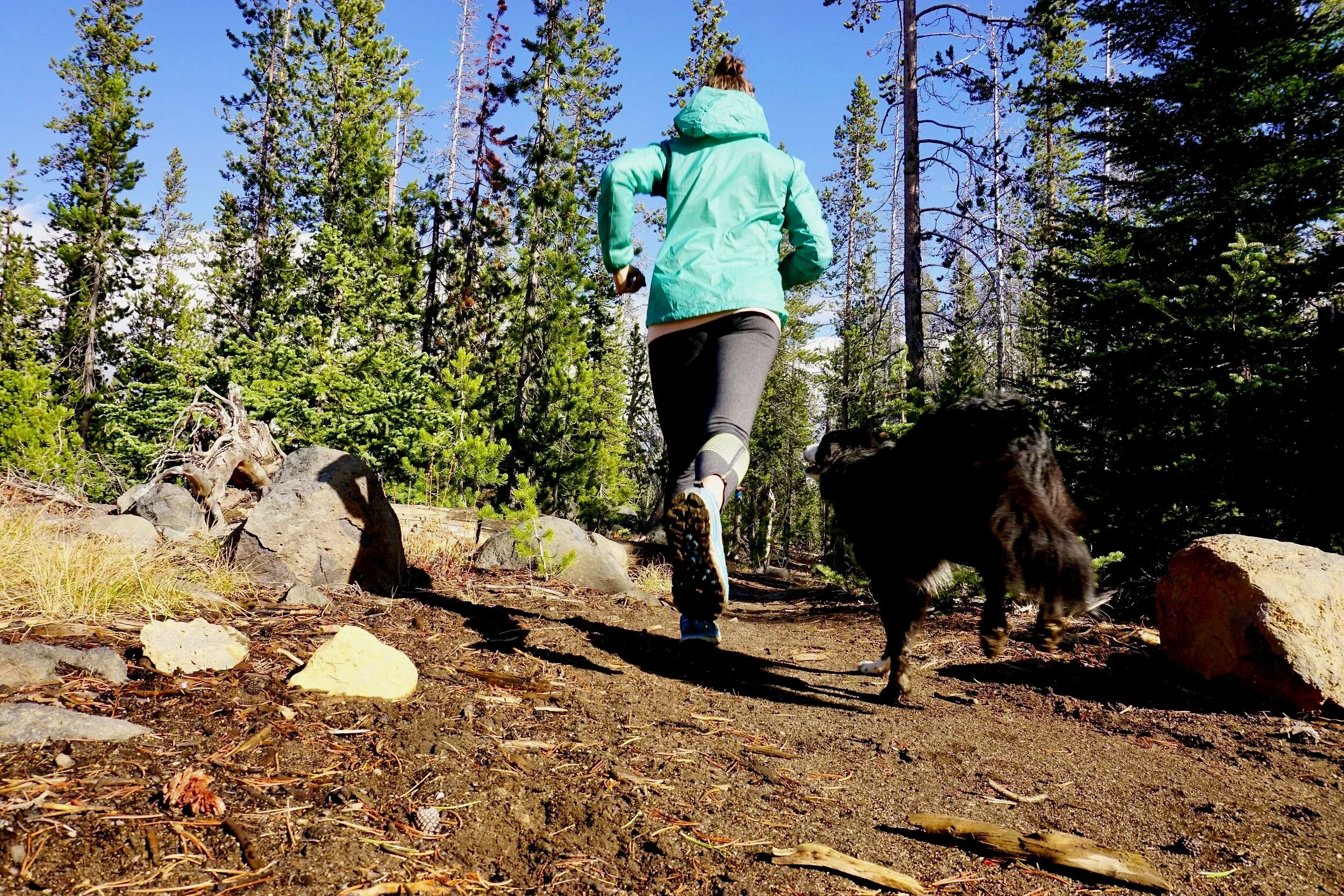
How To Get Back Into Running After Giving Birth
The Postnatal Running Program
The Postnatal Running Program
Returning to running after giving birth can be more challenging than many expect.
This running program was designed specifically for postnatal moms to help navigate some of the common struggles of getting back into running such as: diastasis, pelvic floor dysfunction and neck/back/hip pain. This program is broken down week by week with daily exercises and stretches to get you back to running quickly and safely.
About The Program
Customizable and flexible workout schedule
Great for seasoned runners or new to running mamas
Easy to follow effective strength workouts 15-45 minutes per day
All workouts are recorded and you can follow along online
Two running program options (recommended and advanced)
Modifications and progressions of all exercises
Weekly Journal prompts
Very little equipment needed for the exercises and strength workouts
What You’ll Learn
Diastasis education and corrective core exercises
How to check for a diastasis and a table to keep track of your progress
Pelvic floor dysfunction education and corrective exercises
Posture and movement education
Modifications and progressions of exercises
When your body is ready to start running again, based on the running checklist in the program
Exercises and stretches to decrease neck, shoulder, back, hip and knee pain
During the first couple weeks resting, recovering and bonding with your baby are most important.
Gentle, easy-to-do exercises can be started right away to help support proper core and pelvic floor healing after birth. As your body recovers and gains strength, the exercises and walking workouts gradually increase in both intensity and duration. To be truly ready to run again, your core and pelvic floor need to be strong enough, and you should feel mentally prepared as well.
A return-to-running checklist is included to help guide you through the recommendations to consider before starting to run again. If you don’t meet all of the recommendations yet, don’t worry—the program outlines what steps you can take to continue supporting healing and building strength. Once you’re ready, the program introduces a gradual walk-run protocol that progresses over time.
Life happens, and if you miss a week, that’s okay. This is your postnatal recovery journey, and you can move through the program at your own pace. It’s designed to be flexible and customizable to support your individual needs.
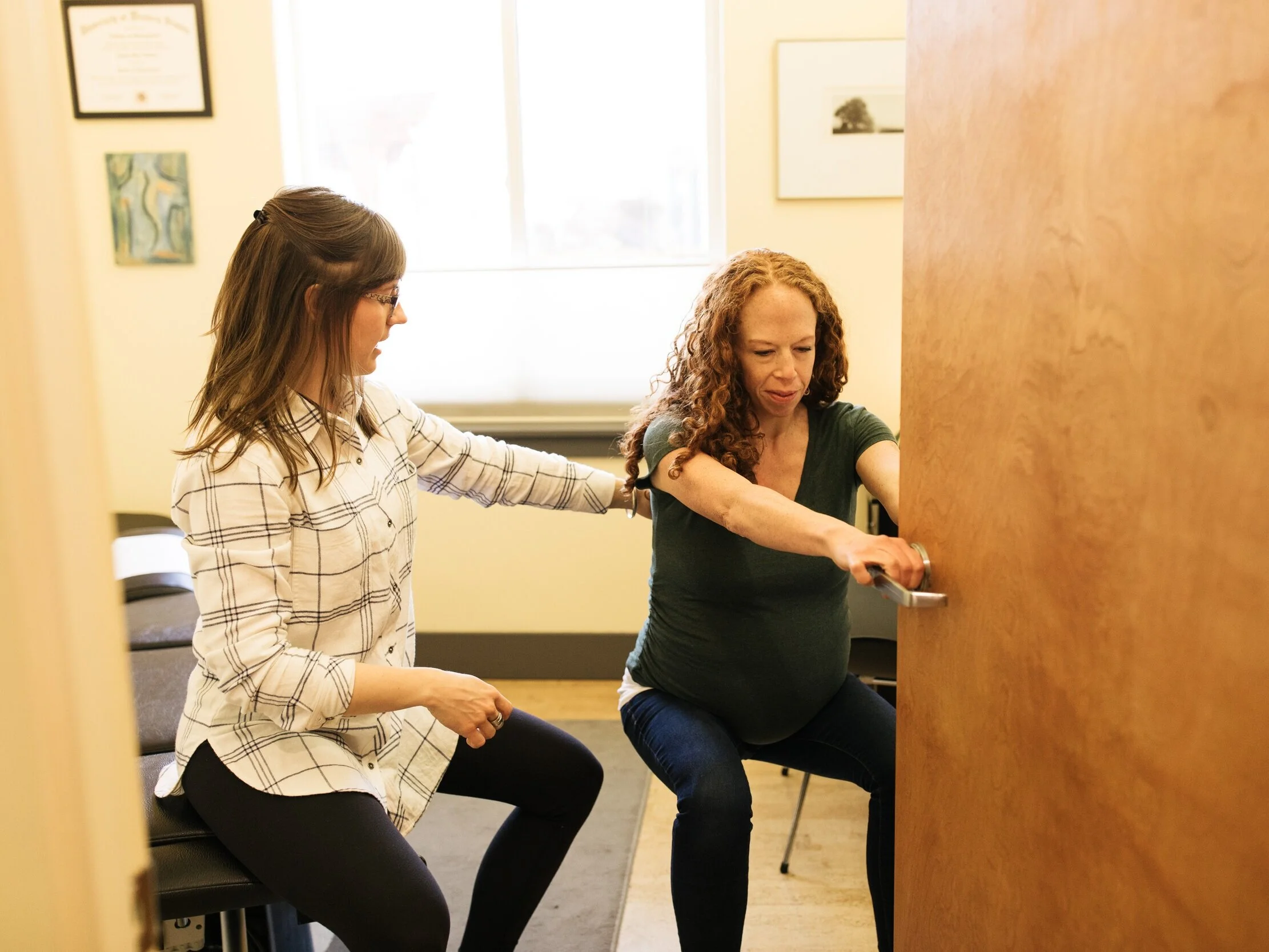
The Postnatal Running Program is so much more than just about running. This is a training program that helps to improve daily posture and movement habits to create lifelong strength and mobility to get moms running strong and confidently again.
“This program has been amazing! I’m 12 weeks in and have been so grateful for a way to work out and start taking care of my body from day 1 postpartum that I know is safe and helping me build strength not only to get back into running but to be set up for success as a mama in my daily life. Alyssa is so knowledgable and approachable - she’s written this with the right mix of challenging me to work hard while also incorporating grace for the days/weeks life happens and I can’t show up in the way I’d like to. I can’t recommend this program enough for new mamas!” - Sarah G.
It can be difficult to find the time and motivation to strengthen your body after giving birth.
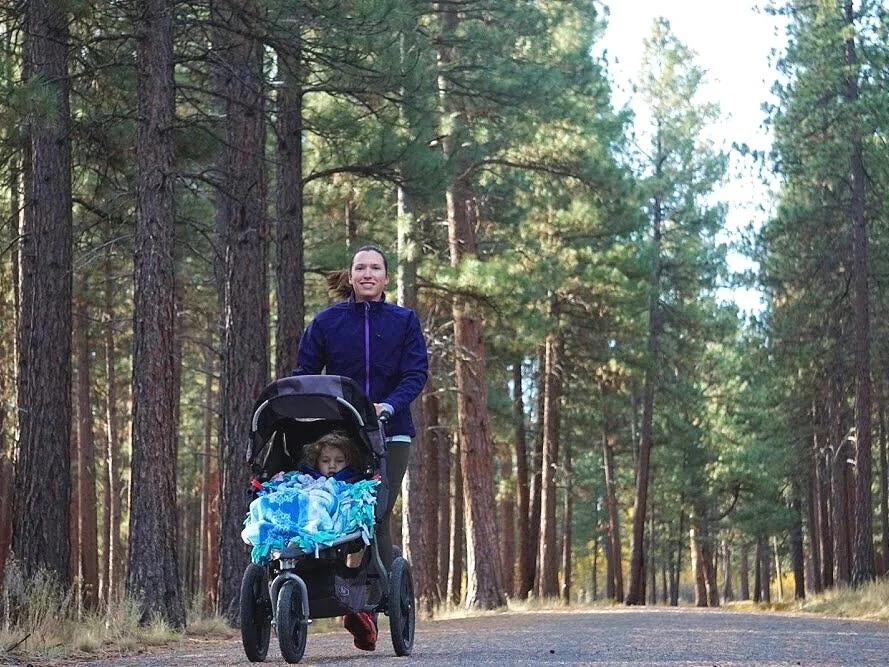
This program has strength workouts that can take only 15-30 minutes 4-6 days a week. The walking/running workouts take anywhere from 20 min-2 hours. Very little space or equipment is needed for these workouts, so it is easy to do the strength exercises while baby is napping or lying on the floor next to you and you can wear baby or put baby in a stroller for the walking/running workouts.

Take your postnatal recovery to a whole new level.
Frequently Asked Questions
This program is meant to safely challenge new moms to facilitate proper core and pelvic floor healing quickly. The strength workouts are easy to follow, effective and only take 15-30 minutes.
-
This is highly depended on your fitness during pregnancy, your birth and how dedicated you are to the strength and walking exercises. The program does not recommend starting to run until at least 8 weeks postnatal. But recommends waiting until 12 week or later (there is a program for both). There is also a back to running checklist to see if your body is ready.
-
This is a great program for you. After having a baby your body changes and essentially your body needs to relearn movement patterns. This program will teach you the proper way to do these movement patterns, to hopefully get your body stronger and better aligned that it was before pregnancy. Because running is a very demanding exercise, there is quite a bit of walking to prepare your body for the physical demands of running. So this program will be a great way to address common postnatal and runners muscle imbalances, heal them and slowly progress into running.
-
YES! This program was created specifically for moms with a diastasis or pelvic floor dysfunctions. all begins with an idea. But is also great for moms who do not have a diastasis or any pelvic floor dysfunctions. It is meant to help heal and strengthen your core to get back into running safely.
-
There is a separate running training program that assumes you have already been cleared by your provider for exercise and have been doing some exercise/movement. This program still focuses on the fundamentals of posture and movement patterns. Then, it builds on core and full body strengthening. Then after you have a solid base, will gradually start introducing the load of running that will hopefully make your transition into running much smoother.
-
This depends on your fitness level and your goals after pregnancy. Luckily this running program is customizable and has two training plan options. The strength exercises may be done 4-6 times per week ranging from 15-45 min long. The walking and running training plan may be done 4-6 times per week averaging 30-90 minutes. There is an optional longer walk or hike (1.5-4 hours) on the weekends.
-
There is very little equipment that you actually need and can easily find most of the stuff around your house. That being said some sort of muscle release tool would be great (foam roller, lacrosse ball, softball, tennis ball), 5-20+ pound weights (you could use a rock or your baby), resistance bands and a good pair of running shoes.